Missed Calls Are Costing You More Jobs Than Bad SEO Ever Could
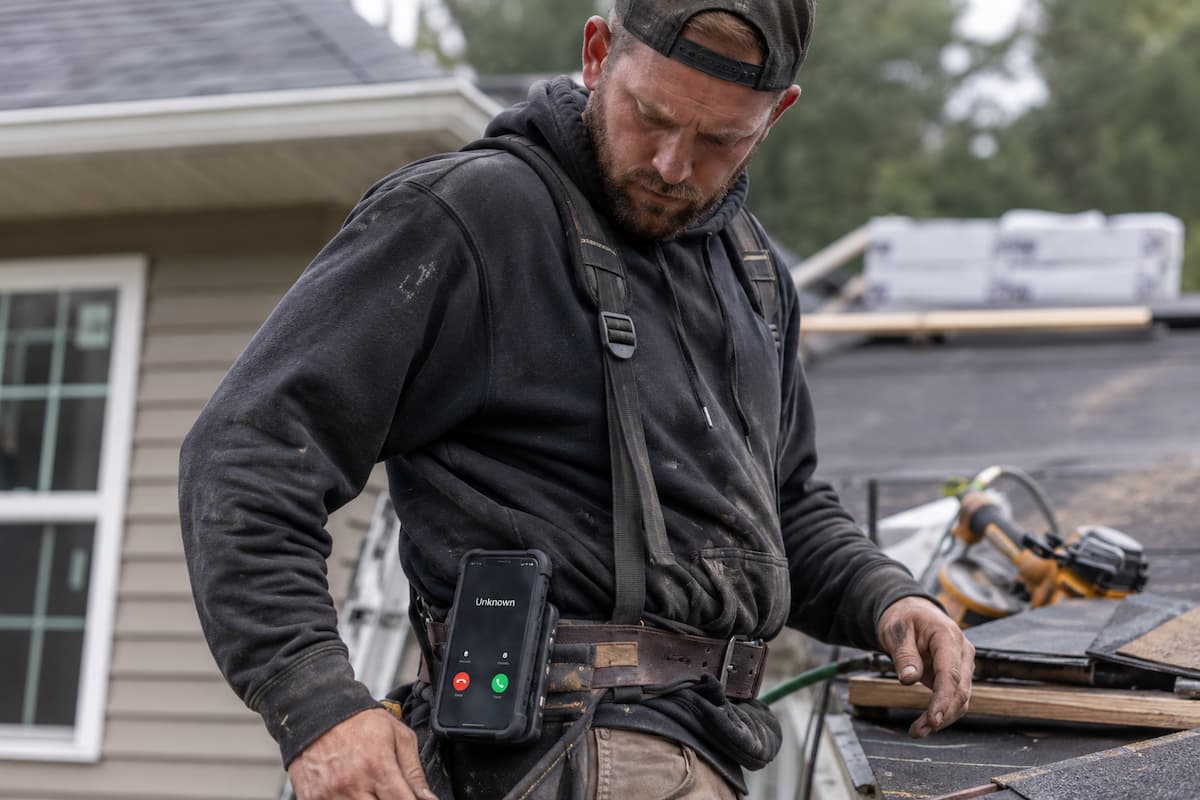


You can spend ten grand a month on Google Ads. You can rank in the map pack. You can have the cleanest website in your county. None of it matters if your phone rings and nobody picks up.
This is the part of contractor marketing that no agency wants to talk about. Most will sell you more leads. We're going to tell you the truth. A lot of contractors are already getting plenty of leads. They're just losing them between the call and the appointment.
Are Missed Calls Really Costing Contractors That Much?
Yes - and the math is brutal. If you're missing even a fraction of your inbound calls, you are leaving real, booked revenue on the table - revenue your marketing budget already paid to bring in. The problem isn't a lack of leads. For most contractors, the problem is what happens after the phone rings.
Run the Math on Your Own Shop
Picture two roofers in the same town. Both spend the same on ads. Both rank for the same keywords. Both get 100 calls a month from homeowners who need a roof.
Roofer A answers 95 of those calls. Roofer B answers 60.
That 35-call gap is not small. At a 30% close rate and an average roof of $12,000, Roofer B is leaving more than $125,000 on the table every single month. Not in some future pipeline. In jobs his marketing already paid to bring in.
He doesn't need more leads. He needs to answer his phone.
Why the Calls Go Unanswered
Most missed calls are not a people problem. They're a systems problem. When you're on a roof, you can't take a call. When your office manager goes to lunch, calls roll to voicemail. When a homeowner calls at 7 p.m. after work, your shop is closed and the lead goes cold.
Here is the part that should bother you. Harvard Business Review research on lead response found that contractors who reach a lead within five minutes are dramatically more likely to book the job than contractors who wait even an hour. By the next morning, that homeowner has already called the next guy on the list. The job is gone, and your ad spend went with it.
This is why getting a lead to your site is only the first step. What happens after they pick up the phone is just as critical as every dollar you spend getting them there.
The Five-Minute Rule
Pick one number. Make it the rule everyone in your shop follows.
Every inbound call gets returned within five minutes during business hours. Every voicemail gets a callback the same day, no exceptions.
That is the whole policy. Print it. Tape it on the wall.
If your current setup can't hit that, you have three options. Hire a part-time office person. Use a 24/7 answering service built for the trades. Or set up call forwarding with a text fallback so missed calls become text leads you can answer from a job site.
There are plenty of solid options out there. CallRail, Ruby, AnswerForce. Most cost less per month than one missed roof job pays.
Track It Like a Metric, Not a Feeling
If you're spending money on marketing, you need to know what happens after the call lands. Ask your provider for a call tracking number. Then listen to the calls. Yes, all of them, at least for one week.
Count how many rang and rolled to voicemail. Count how many got answered. Count how many turned into a real appointment.
Most owners are shocked by what they hear. The leads were there all along. The handling was the leak.
This pairs directly with the right approach to generating contractor leads - because tracking your call handling is just as important as tracking where your leads come from in the first place.
What This Means for Your Ad Budget
Every dollar you spend on SEO, Google ads, or direct mail is a bet. That bet only pays off if the lead reaches a person who can sell the job. If you're missing one call in three, you are tearing up a third of every marketing dollar before it has a chance to work.
Fix the phone first. Then run the ads. You will get a bigger return on the money you are already spending, before you spend a dime more.
That is the whole game.
Frequently Asked Questions
It varies by shop size and setup, but industry data consistently shows that many small contracting businesses miss between 25% and 40% of inbound calls - especially during peak season when crews are in the field and the office is short-staffed. Even missing one in five calls can represent tens of thousands of dollars in lost revenue every month.
In most cases, yes. If you're already getting inbound calls but a significant percentage aren't being answered or followed up quickly, adding more ad spend just means more leads going unanswered. Get your response system locked in first - then scaling your marketing budget will actually show results.
Within five minutes during business hours is the standard to aim for. Research from Harvard Business Review has shown that lead conversion rates drop dramatically after the first hour - and by the next morning, most homeowners have already moved on to another contractor. Speed of response is one of the highest-leverage things you can improve in your business.
Call tracking assigns a unique phone number to each of your marketing channels - your website, Google Ads, direct mail, etc. - so you can see exactly where your calls are coming from and listen to recordings. If you're spending money on any form of advertising, call tracking is not optional. It tells you which marketing is actually generating revenue and where calls are being dropped before they turn into booked jobs.


About Aaron O'Hanlon
Aaron O'Hanlon is the CEO and Co-Founder of Footbridge Media, a digital marketing agency, specializing in the contracting industry. It is his mission to create awareness of marketing online to the home improvement industry and to educate, inform, and assist contractors in taking over their own online presence.